
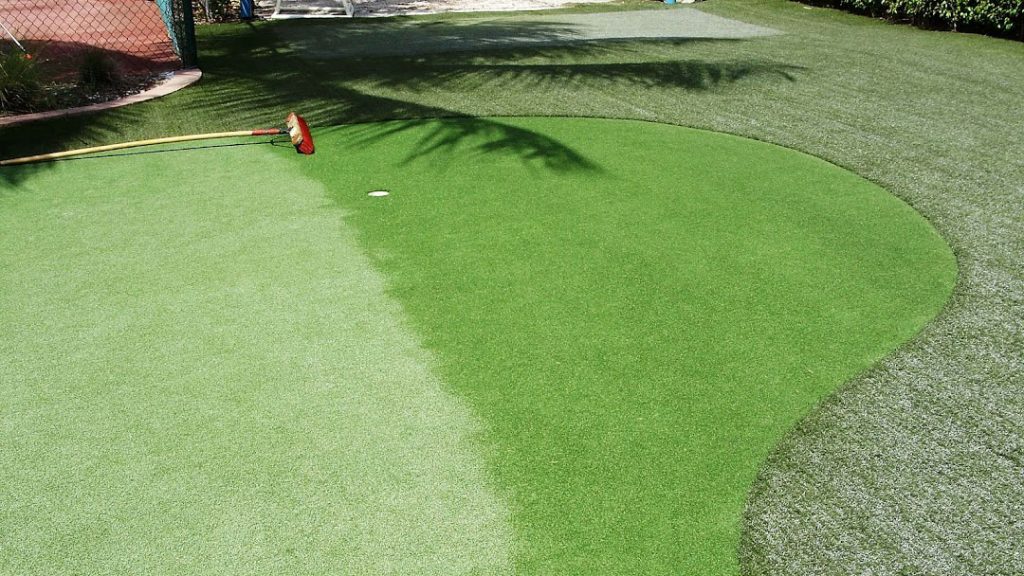
Synthetic turf has become an increasingly popular alternative to natural grass in residential, commercial, and athletic environments. According to industry data, the global synthetic turf maintenance market is expected to exceed $6 billion by 2030, with demand driven by sports facilities, landscaping projects, and urban green spaces. While synthetic turf offers reduced water usage, minimal mowing, and year-round greenery, its performance and lifespan are directly tied to proper maintenance.
Statistics show that neglecting routine maintenance can reduce the lifespan of synthetic turf by 20–30%, cause uneven surfaces, and increase the likelihood of fiber matting or infill displacement. Moreover, dirt, debris, and pet waste accumulation can compromise hygiene and safety, creating risks for children, athletes, and pets. Industry experts emphasize that structured maintenance programs are essential to preserve aesthetics, functionality, and safety standards, ensuring turf remains a sustainable investment.
What Are the Primary Challenges in Maintaining Synthetic Turf?
Synthetic turf maintenance comes with several unique challenges. One major issue is debris accumulation. Leaves, dust, and organic matter can embed into the turf fibers and infill, leading to odors, microbial growth, and drainage problems. Studies indicate that uncleaned turf can harbor bacteria and allergens at levels 30–50% higher than regularly maintained surfaces, particularly in areas used by pets or high-traffic zones.
Another challenge is fiber matting. Synthetic turf fibers are prone to flattening over time due to foot traffic, furniture, or sports activity. Data suggests that turf with no fiber grooming may lose up to 15–20% of its visual appeal and resiliency over five years. Additionally, infill displacement can reduce cushioning and drainage efficiency, increasing injury risks on athletic fields. Without proper maintenance, these issues accumulate, leading to costly repairs or early replacement.
How Do Industry-Backed Maintenance Solutions Address These Challenges?
Industry-backed synthetic turf maintenance solutions combine advanced equipment, specialized cleaning techniques, and expert knowledge to tackle common issues. Mechanical brushing, power grooming, and infill leveling restore fiber structure, reduce matting, and maintain consistent turf height. Data from field studies indicate that mechanical grooming performed every 4–6 weeks can increase turf lifespan by up to 25%, maintaining both aesthetics and performance.
Cleaning solutions using eco-friendly detergents and sanitizers remove pet waste, microbial contaminants, and odors effectively. Research shows that enzymatic cleaning treatments reduce bacterial presence by up to 70% on turf surfaces, creating safer environments for homes, schools, and athletic facilities. Combining fiber maintenance with hygienic cleaning ensures both long-term durability and user safety.
Which Techniques Are Most Effective for Turf Longevity?
Regular maintenance relies on a combination of techniques tailored to the turf’s usage and environment. Brushing and grooming prevent fiber flattening, while infill redistribution ensures consistent cushioning and drainage. Power washing with controlled water flow removes debris, dust, and contaminants embedded deep in the fibers. Studies highlight that turf receiving combined grooming and deep cleaning maintains 90% of its functional integrity over five years compared to unmaintained surfaces.
High-traffic athletic fields often require specialized care, including aeration, infill replenishment, and surface inspections. Data-driven analyses reveal that proactive maintenance programs reduce injury risk by up to 20% and prevent surface unevenness that can interfere with game performance.
How Do Hygiene and Safety Factor into Turf Maintenance?
Safety and hygiene are essential in synthetic turf care. Turf used for sports, playgrounds, or pet areas can accumulate bacteria, allergens, and odor-causing substances. Statistical studies demonstrate that routine sanitation reduces bacterial levels by 60–70%, lowering the risk of infections and promoting healthier environments for children and pets. Eco-friendly cleaning agents are preferred to minimize chemical exposure while ensuring thorough sanitization.
Maintaining proper drainage is also critical. Clogged or compacted infill can lead to standing water, increasing slip hazards and microbial growth. Turf maintenance experts recommend regular inspection and infill adjustment to sustain safe playing surfaces and prevent injuries.
What Are the Environmental Benefits of Proper Turf Maintenance?
Maintaining synthetic turf supports environmental sustainability in multiple ways. Clean, well-maintained turf requires fewer water interventions, reducing consumption compared to natural lawns. Eco-friendly cleaning solutions minimize chemical runoff, protecting surrounding soil and waterways. Industry studies report that turf maintenance programs that use biodegradable products and water-efficient techniques reduce environmental impact by up to 50% compared to conventional chemical cleaning methods.
Additionally, proper maintenance extends turf lifespan, reducing the frequency of replacement and the associated production and disposal impact of synthetic materials. This promotes a circular approach to turf use, aligning with broader sustainability goals.
Why Is Professional Maintenance More Effective Than DIY Care?
Professional maintenance leverages expertise, experience, and advanced tools to achieve results that are difficult to replicate with DIY methods. Statistics show that professionally maintained turf lasts 25–30% longer and maintains superior appearance and performance compared to turf cleaned irregularly or by untrained individuals. Professional teams identify early signs of wear, fiber damage, drainage issues, or infill loss, preventing costly repairs and ensuring consistent quality.
Moreover, professionally applied cleaning solutions are tested for safety and efficacy. Data indicates that unsupervised chemical use by homeowners can fail to reduce microbial loads adequately and may damage turf fibers, emphasizing the value of industry expertise.
How Do Turf Maintenance Programs Enhance Usability and Aesthetics?
Regular maintenance ensures that synthetic turf looks vibrant and functions optimally. Research indicates that groomed turf surfaces retain their natural-looking texture, fiber height, and color intensity, improving overall aesthetic appeal. Groomed and sanitized turf also enhances usability by providing even surfaces with proper cushioning, reducing slips and falls. For athletic and recreational spaces, this translates to improved play quality, safety, and overall user experience.
Maintenance programs can also include seasonal treatments, such as winter debris removal or summer infill adjustment, ensuring that turf performs consistently across varying weather conditions. Data shows that seasonal maintenance reduces fiber degradation and infill displacement by up to 20% annually.
What Are the Key Trends in Synthetic Turf Maintenance?
The synthetic turf maintenance industry is evolving with technology and environmental considerations in mind. Data shows a growing emphasis on eco-friendly cleaning, water-efficient practices, and automated grooming equipment. Maintenance programs are increasingly tailored to specific turf applications—residential lawns, commercial landscapes, playgrounds, or sports fields—to optimize both longevity and usability.
Advanced monitoring systems now track wear patterns, infill distribution, and fiber health, enabling predictive maintenance and cost-efficient scheduling. Statistical trends indicate that turf receiving technology-assisted maintenance performs 15–20% better over a five-year period than conventionally maintained surfaces.
Why Should Facility Managers and Homeowners Invest in Professional Turf Maintenance?
Investing in professional maintenance delivers measurable benefits in durability, safety, and aesthetics. Studies indicate that structured maintenance programs reduce repair and replacement costs by up to 30%, prevent injuries, and maintain high visual appeal. For commercial facilities, well-maintained turf supports regulatory compliance, user satisfaction, and operational efficiency. For homeowners, professional programs reduce labor, improve outdoor aesthetics, and ensure that lawns remain safe for children and pets.
Eco-conscious maintenance also aligns with sustainability goals, reducing water consumption, chemical use, and the environmental footprint of synthetic turf over its lifespan. Combining performance, safety, and sustainability, professional maintenance solutions provide statistically backed advantages over unstructured or DIY care.
Conclusion: Can Industry-Backed Maintenance Ensure Long-Term Turf Performance?
Yes, evidence shows that synthetic turf maintenance solutions backed by industry expertise significantly enhance turf performance, longevity, and safety. Data consistently demonstrates that structured programs combining fiber grooming, debris removal, infill management, and eco-friendly sanitization reduce microbial loads, prevent fiber matting, and extend turf lifespan.
By leveraging advanced equipment, professional knowledge, and environmentally responsible cleaning methods, homeowners, sports facilities, and commercial property managers can ensure that synthetic turf remains visually appealing, functional, and safe for all users. Industry-backed maintenance is therefore a critical investment in both turf performance and sustainability, providing statistically supported results that maximize the value of synthetic turf installations.
