
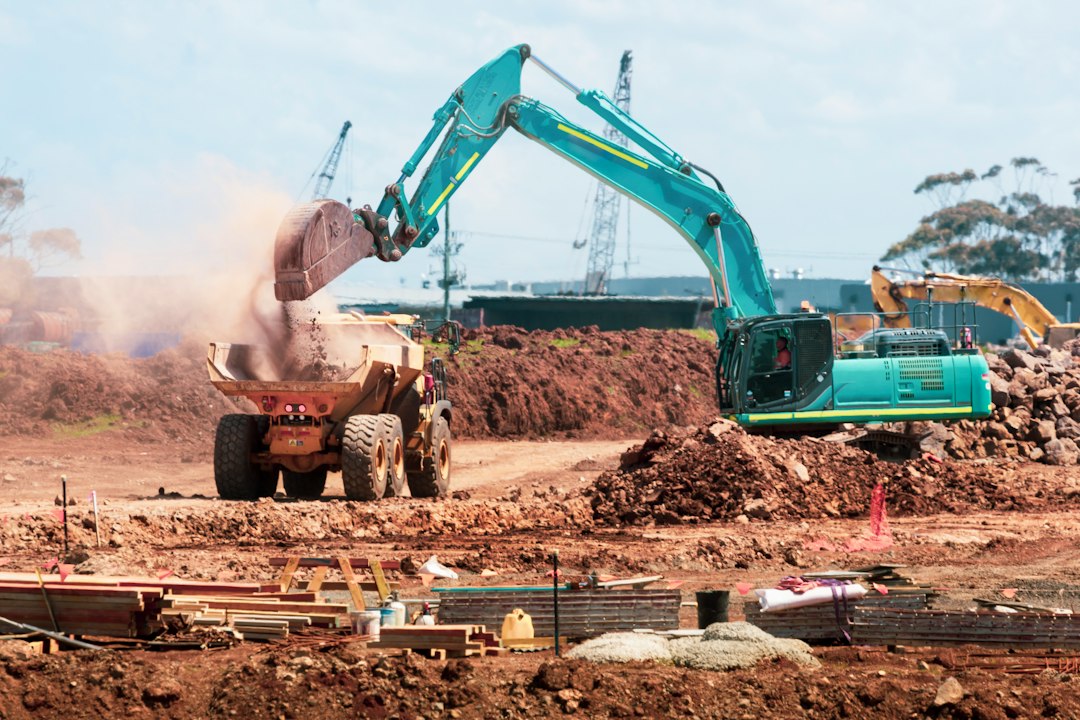
The Australian property and infrastructure landscape has developed significantly over the past several decades, creating opportunities for businesses with strong foundations in construction and development. A background in civil construction can provide practical insight into land preparation, infrastructure, project coordination, and site functionality. Hannas reflects a development journey that has progressed from early civil construction capabilities toward a diverse property portfolio shaped by experience, adaptability, and an understanding of changing market requirements.
Jump To
- How can civil construction experience shape property development?
- What does a diverse development portfolio offer?
- Why is practical experience valuable during site planning?
- How has technology influenced the development process?
- What role does infrastructure play in a property portfolio?
- How can diverse experience support better design?
- Why is adaptability important for future development?
- How does sustainability fit into modern development?
- What creates strength across a property portfolio?
- Conclusion
How can civil construction experience shape property development?
Civil construction provides direct experience with the physical foundations of development. Earthworks, drainage, roads, utilities, site preparation, and infrastructure all influence the potential of a property.
This practical understanding can help inform development decisions at an early stage. Knowledge of how sites are prepared and connected can contribute to more coordinated planning when moving from construction expertise into broader property development.
What does a diverse development portfolio offer?
A diverse portfolio can reflect an ability to respond to different market requirements and property opportunities. Industrial, commercial, infrastructure-related, and other development environments can each require distinct planning considerations.
Exposure to different project types can strengthen an organisation’s understanding of how location, design, construction, infrastructure, and user requirements interact. This broader perspective can support more informed development strategies.
Why is practical experience valuable during site planning?
Every property site presents its own combination of opportunities. Access, surrounding infrastructure, land characteristics, drainage, services, transport connections, and future development potential can influence the planning process.
Practical construction knowledge can provide valuable insight into these factors. Early consideration of site conditions can help establish development plans that are both realistic and aligned with the intended outcome.
How has technology influenced the development process?
Technology has transformed construction and property development through digital planning, improved project coordination, smart infrastructure, automation, and advanced building systems.
Modern development can use these tools to improve efficiency and create properties that are better prepared for changing business requirements. Combining practical experience with contemporary technology can support a balanced and forward-thinking development process.
What role does infrastructure play in a property portfolio?
Infrastructure connects individual properties to their surrounding environments. Roads, utilities, drainage, transport networks, communications, and access systems can influence how successfully a development operates.
A strong understanding of infrastructure can help ensure that property projects are planned as connected environments. This can improve accessibility, functionality, and long-term development potential.
How can diverse experience support better design?
Different project environments provide opportunities to understand varied user requirements. Industrial businesses may prioritise logistics and vehicle access, while other property users may place greater emphasis on accessibility, workplace functionality, or customer experience.
Experience across different development contexts can therefore contribute to more responsive design. The result can be spaces shaped around their intended purpose rather than relying on a single development model.
Why is adaptability important for future development?
Markets and businesses continue to change. New technologies, evolving logistics, population growth, sustainability expectations, and changing workplace models can all influence property requirements.
A diverse development perspective can provide greater flexibility when responding to these changes. Adaptable spaces and future-ready infrastructure can help properties remain relevant as their surrounding environments evolve.
How does sustainability fit into modern development?
Sustainability is increasingly incorporated into construction and property planning. Energy-efficient systems, water management, responsible materials, landscaping, and resource-conscious infrastructure can contribute to more efficient properties.
Considering sustainability from the early planning stages allows environmental performance to become part of the overall development strategy rather than an isolated feature.
What creates strength across a property portfolio?
A strong portfolio can be built through consistent attention to quality, planning, infrastructure, design, and long-term functionality. While individual projects may differ in purpose and location, these core principles can provide a common foundation.
This consistency can help create properties that deliver practical value while maintaining the flexibility required to respond to changing market conditions.
Conclusion
The progression from civil construction to a diverse property development portfolio demonstrates how practical experience can provide a strong foundation for broader development capabilities. Knowledge of infrastructure, site preparation, construction, design, technology, sustainability, and changing market requirements can contribute to well-rounded property outcomes. By combining established construction expertise with contemporary development thinking, a diverse portfolio can continue to create functional, adaptable, and valuable spaces across Australia’s evolving property landscape.
Quick Summary
- Civil construction experience enhances site functionality through practical knowledge in areas like earthworks, drainage, and utilities.
- A diverse property portfolio enables organizations to adapt to varying market requirements and offers insights into different planning considerations for industrial, commercial, and infrastructure projects.
- Practical construction knowledge is essential during site planning as it allows for realistic development plans that consider access, infrastructure, and land characteristics.
- Modern property development has been influenced by technology, leading to improved efficiency through digital planning, smart infrastructure, and automation.
- Sustainability is increasingly integrated into property development, with energy-efficient systems and responsible materials being prioritized during early planning stages.
- A strong property portfolio relies on consistent quality, planning, and design, ensuring long-term functionality and adaptability to shifting market conditions.

